 Car insurance
 Telematics
 Van insurance
 Home insurance
 Car finance
car insurance guides
4 car insurance scams to watch out for
Car insurance scams are big business for criminals. From cash for crash to bogus claims, find out what to look for and how to report a scam.






When the Met Office issues a weather warning, the practical questions start quickly. Should you still drive? If something gets damaged, are you covered?
If you have only recently moved to the UK, this can feel harder to judge because the advice and the weather can change fast.
This guide covers what a weather warning means, how insurance usually treats weather-related claims, and a few sensible steps that can reduce hassle later.
Met Office warnings are there to flag higher risk of accidents or danger to people and vehicles. They are colour-coded – yellow, amber and red – based on the likelihood of disruption and how serious the impact could be.
A weather warning is not the same as your car insurance cover being restricted. Your policy does not switch off because the forecast looks bad.
In most cases, car insurance is still valid during a red weather warning.
A Met Office warning, even at the most serious level, does not automatically cancel or reduce your cover if you drive during these weather conditions. If your policy includes storm damage, flooding, or accidental damage, that cover usually still applies.
Where things can get awkward is the ‘reasonable care’ side of a claim. Insurers may look at whether the situation that caused an accident was avoidable, especially if official guidance was clear and the risk was obvious.
If you crash in heavy rain, ice, or strong winds, a claim is handled like any other.
The difference is that the conditions are part of the story. Insurers may consider speed, visibility, tyre condition, and whether the journey was necessary.
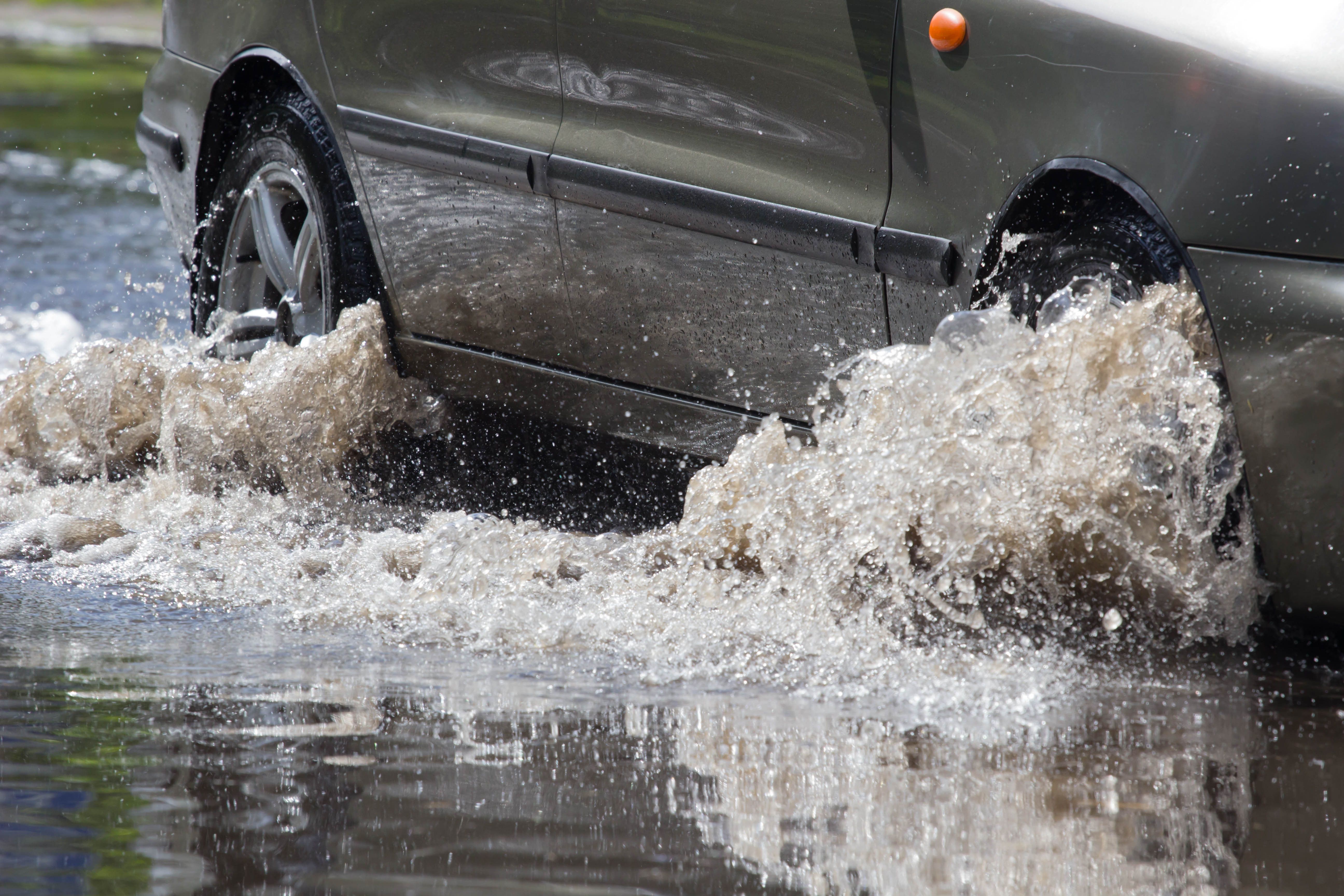
Flood water is a common example. If a car is driven into standing water and the engine is damaged, some policies will not cover it, particularly if it was clear the road was flooded.
If you are not sure, treat flood water as deeper than it looks and find another route.
High winds can bring down branches, blow debris into vehicles, or damage fences and roofs.
If your car is hit while parked, fully comprehensive cover often includes storm-related damage, depending on the policy wording.
A small change in where you park can help. If strong winds are forecast, try to avoid trees, loose scaffolding, and anything that looks like it could fall.
Flooding is handled differently depending on whether the car was parked or driven.
Policy wordings vary, so it is worth checking the exclusions and not relying on assumptions.
Car insurers are not expecting perfection. But they do expect basic care. A few simple steps can make a claim easier later if something happens:
Marshmallow offers fully comprehensive car insurance with clear information about what is covered, plus support that is straightforward if you need to report damage after high winds, flooding, or other severe conditions.
To see how we could help, get your free quote today.
Car insurance scams are big business for criminals. From cash for crash to bogus claims, find out what to look for and how to report a scam.

Had a car accident? Here are 5 key things to ask the other driver — plus how Marshmallow’s Bump! feature makes swapping details quick and stress-free.

New to UK car insurance? Learn how car insurance works in the UK, the types of car insurance available, and what you need to know before getting cover.