 Car insurance
 Telematics
 Van insurance
 Home insurance
 Car finance
living in the uk
15 confusing British phrases that need translating
Moving to the UK? Get ready to speak a whole new language – British. No, not ‘English’ – you’ve got that down already.







This article is brought to you by our partner Loqbox. They are a financial wellness company dedicated to helping people improve their credit profile through dedicated credit-building tools and education.
Many recent arrivals look at how to get onto the UK’s property ladder after starting off in rental accommodation. And unless you’re buying with cash (lucky you!), you’re likely to need to get a mortgage for your first home purchase. Although it may be possible to get 100% mortgages, it’s far better to seek mortgages where you’re able to put down an adequate deposit.
Most homebuyers will seek either a high-interest cash savings account to accumulate their deposit funds or a specialist savings account, such as a Lifetime Individual Savings Account (LISA) if eligible.
If you’re worried you don’t have enough in your savings, you’re not alone. In fact, 2 in 5 Brits have £1,000 or less in their savings, and 1 in 6 UK adults have no savings at all.
The most important thing with building a good savings habit is to start small, keep consistent, and ideally ringfence your regular savings each month on payday so you don’t spend it.
When Loqbox surveyed members in 2025, the most common “biggest money regret” was “spending on things I didn’t need” - cited by 33% of respondents. This new year, we’d urge you to spend wisely and save wisely to build good financial habits before you start to apply for mortgages.
As the homebuying process can be quite lengthy and stressful, we’ve come up with a 3-step plan to help you prepare your finances for this big decision.
To access many financial products in the UK (from mortgages to mobile phone contracts), lenders check your credit file. It’s a record of your personal credit history used to check creditworthiness.
For recent arrivals, this can be challenging. Your credit history doesn’t transfer internationally, which leaves you with a thin credit file or starting from scratch.
How to get started with your credit-building journey:
When you can access credit, use these tips to borrow safely:
After a few months of reporting rent, using credit responsibly and building savings, the six months before you apply for a mortgage are crucial.
Here are the key areas lenders assess:
Proof of income: Lenders sometimes ask for up to six months of payslips, a P60 and an employer letter, evidence that confirms your role, salary and length of service.
Proof of address history: Lenders verify the last five years using utilities, bank statements, council tax bills, and/or electoral roll registration
The previous three months of bank statements: Lenders are looking for:
Proof of deposit: Lenders must verify where your deposit has come from, so you comply with the Anti-Money Laundering (AML) regulations.
If you prepare them in advance, it’ll demonstrate your reliability. Win!
Keep your credit stable: Avoid applying for new credit as hard searches signal risk. Side-step new personal loans, credit cards, car finance and even Buy Now Pay Later.
Limit big financial moves: Avoid major non-essential spending and keep your budget steady.
Check your financial health
On application day:
If something goes wrong, just remember that a rejection isn’t the end. Avoid reapplying immediately; take time to review the lender’s feedback and your credit file, then reapply once the issues are resolved.
For more credit-building tips, visit Loqbox.com.
*Based on a representative survey of 700 Loqbox members conducted in September 2025.
Moving to the UK? Get ready to speak a whole new language – British. No, not ‘English’ – you’ve got that down already.
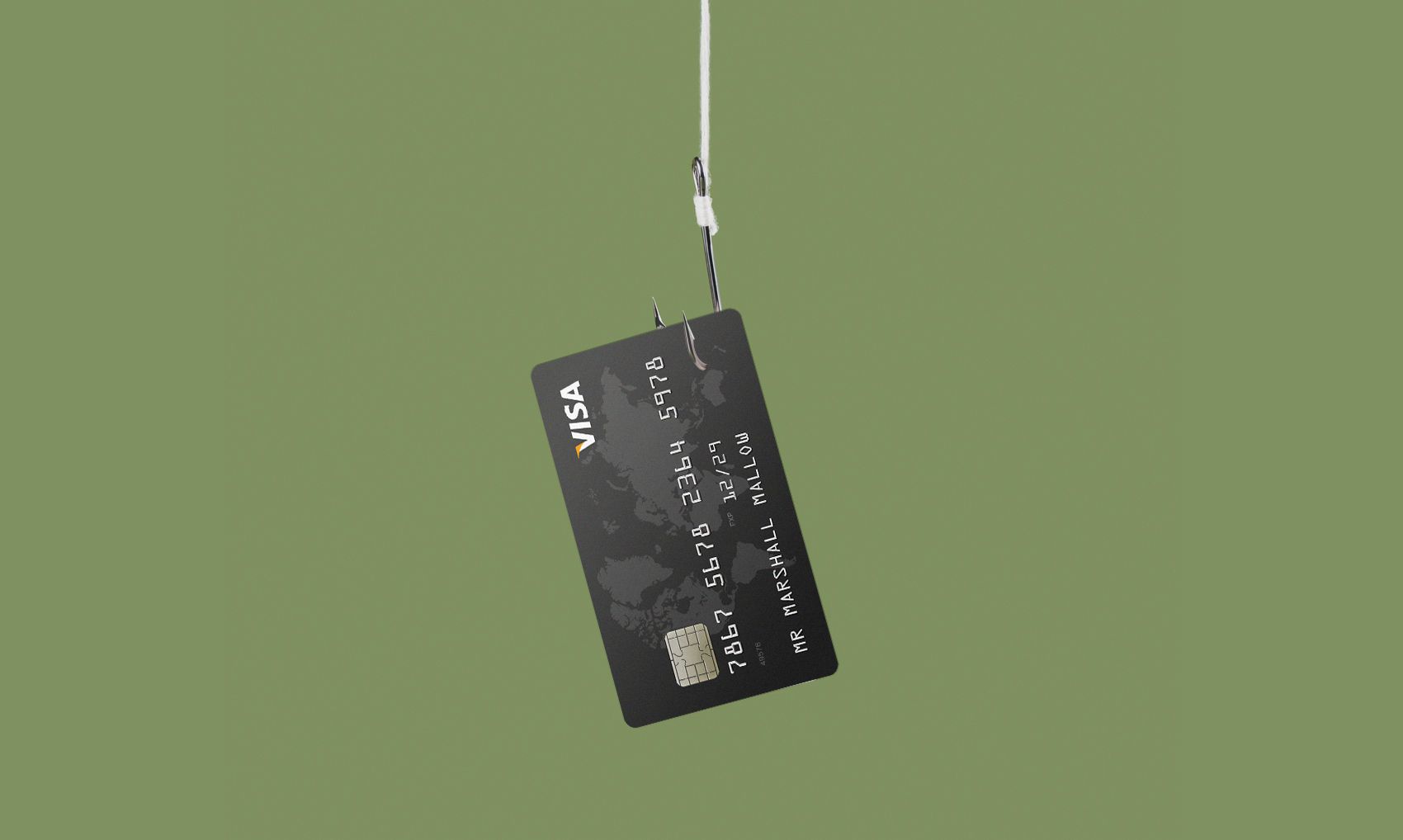
Like every country in the world, the UK has its fair share of fraudsters. Often these scams prey on common fears, exploiting people when they’re feeling unsure and anxious.

Steer clear of these common new renter mistakes and find your perfect first house or flat in the UK. Spot scams, stay safe and welcome to your new home!